
Overview
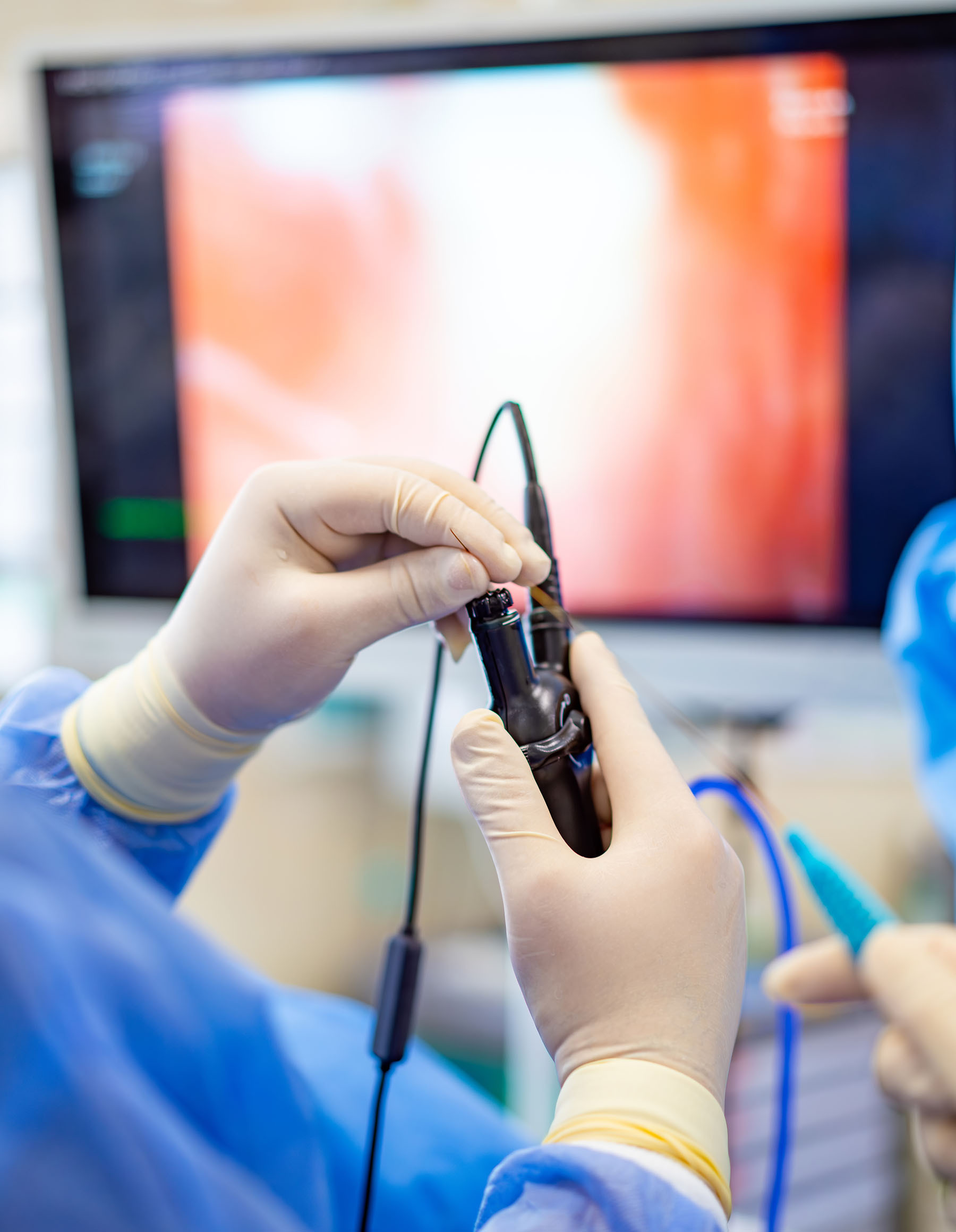
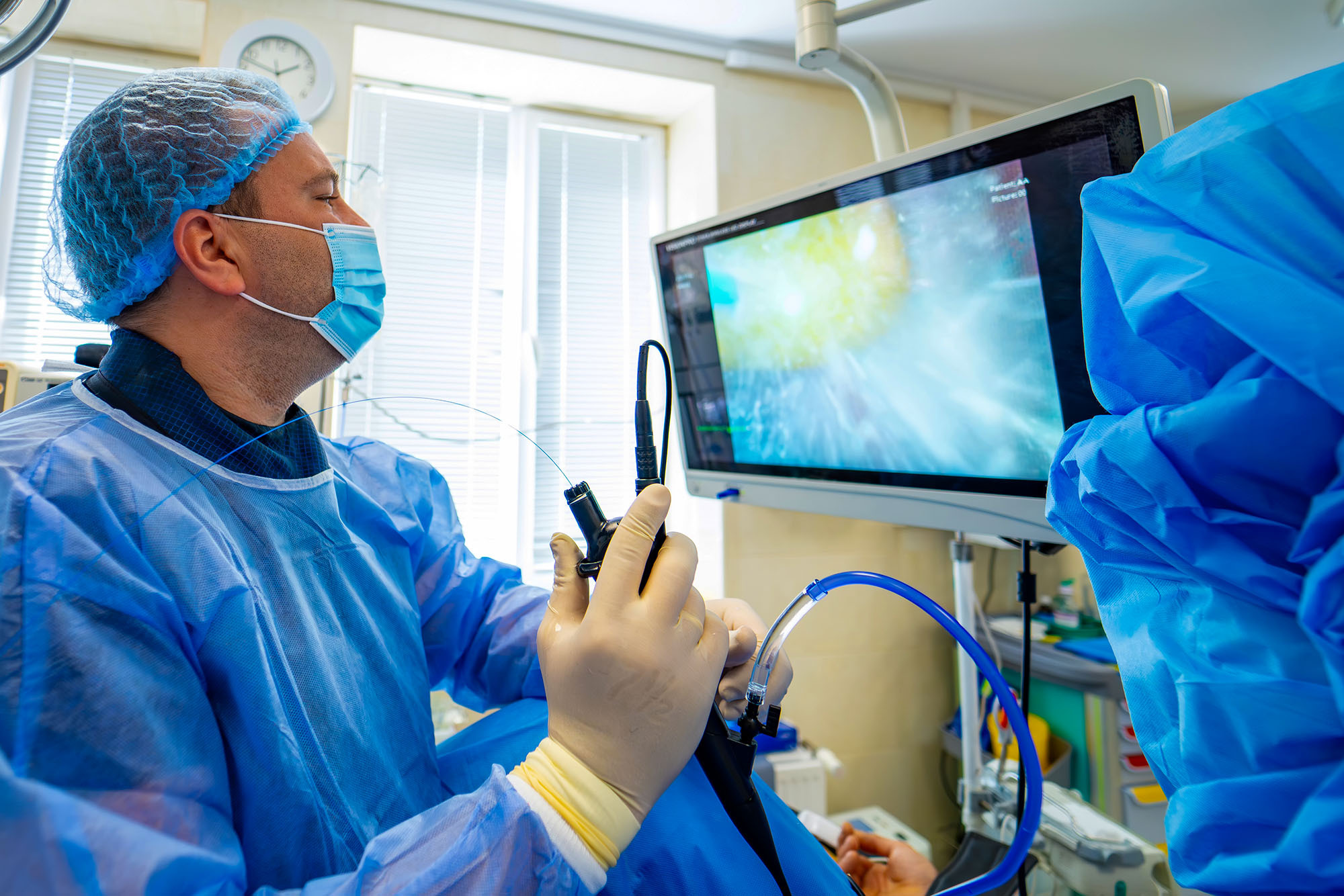
A global leader in medical device manufacturing faced technological limitations when redesigning their state-of-the-art endoscopy platform. Endoscopy refers to a number of different procedures that uses an endoscope – a specialized camera – to view the inside of a body. The company’s design team wanted to use a USB camera, but found it difficult to meet the various certifications with this specific I/O.
Rather than dedicating hundreds of hours of engineering time on an I/O challenge – an area outside of their core competencies – the company reached out to Sealevel to offload the engineering challenge. The goal: include a USB port that is both fast enough to handle the data from a high-definition camera, while also meeting the stringent patient/doctor safety standards.
Rather than dedicating hundreds of hours of engineering time on an I/O challenge – an area outside of their core competencies – the company reached out to Sealevel to offload the engineering challenge. The goal: include a USB port that is both fast enough to handle the data from a high-definition camera, while also meeting the stringent patient/doctor safety standards.
The Challenges
- IEC 60601-1 Certification
- Medical-grade USB Isolation
- A USB port that is fast enough to handle continuous high-definition video
- Cost and time associated with medical device certification and recertification
As endoscopic procedures require prolonged contact between patients and electrically powered instruments, the endoscopy platform is required to comply with IEC 60601-1, a set of technical requirements concerning the safety and performance of medical electrical equipment, published by the International Electrotechnical Commission (IEC). One of the main design strategies to fulfill IEC 60601 requirements and to address patient safety is medical-grade isolation.
At its core, medical isolation is utilized to protect patients and equipment operators from potentially harmful electrical currents. In devices that make physical contact with the human body – especially invasive systems or those used for long-term monitoring – any electrical fault can pose a serious health risk.
To mitigate this risk, isolation techniques are used to electrically separate the parts of a system that interface with the patient from those that communicate with external networks, power sources, or other electronics. This physical and electrical separation ensures that even in the case of a power surge, transient voltage, or component failure, no current can flow into the patient-connected circuits.
The design and development of medical products is further complicated by the medical device certification process, which is quite rigorous and prohibitively expensive. Any change, however minor, to certified hardware or software systems requires complete recertification. Therefore, redesigns of medical devices tend to only take place when they are absolutely necessary.
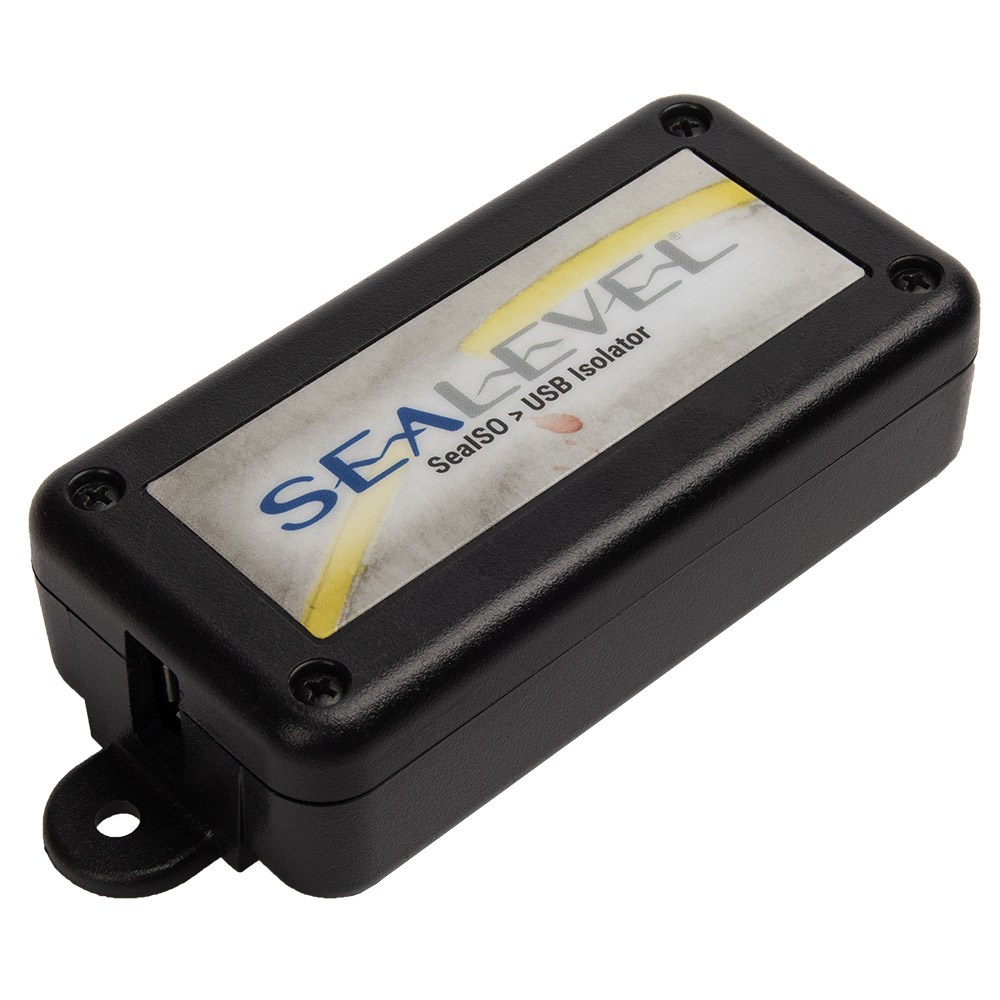
After conferring with the product design team of the medical device manufacturer, Sealevel’s engineering team developed the SeaISO ISO-3, a USB 3.1 Gen 2 compatible device connecting to the host over a high-speed link supporting 10 GB/S data rates and 4000 VAC isolation to the downstream USB device.
The Solution
This leads back to medical grade isolation, USB isolation specifically. Currently, there are any number of manufacturers developing USB isolation adapters. However, the great bulk of these are focused on USB 2.0. This is all well and good, USB 2.0 is a perfectly reasonable choice for a wide variety of I/O applications. There are, however, several critical applications that require faster speeds than USB 2.0 can offer. The medical device manufacturer that approached Sealevel, for example, wanted to use USB to connect the high-definition endoscopic camera to the larger platform, an application for which USB 2.0 is wholly unsuitable.
After conferring with the product design team of the medical device manufacturer, Sealevel’s engineering team developed the SeaISO ISO-3, a USB 3.1 Gen 2 compatible device connecting to the host over a high-speed link supporting 10 GB/S data rates and 4000 VAC isolation to the downstream USB device.
The ISO-3 also solved another major challenge for the medical device manufacturer. USB isolation was often built directly into the internals of custom computers. While this is not a trivial task, the cost/benefit of engineering USB isolation into the internals of every computer deployment serves as an unnecessary drain on engineering time and effort. By developing the ISO-3, Sealevel has created a drop-in module that removes the technical challenges of USB isolation from the customer’s engineering team.