
Lifecycle Planning for Embedded Systems: Engineering for Long-Term Operational Continuity
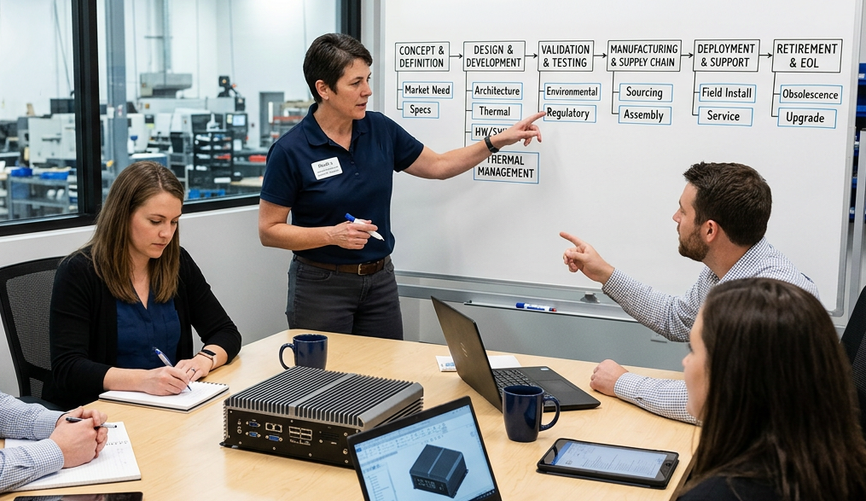
Embedded systems continue evolving long after deployment. Learn how embedded system lifecycle planning can preserve operational continuity through technology refreshes as hardware, software, cybersecurity requirements, AI capabilities, and supply conditions change.
Lifecycle Planning Snapshot
- Design for change. Modular design, stable interfaces, and adequate power and thermal headroom create more options for future technology transitions.
- Maintain lifecycle visibility. An accurate record of the deployed system supports better engineering decisions when change becomes necessary.
- Plan for different lifespans. Long-lived systems may span multiple technology generations, supply conditions, and operational requirements.
- Protect operational continuity. Lifecycle planning helps necessary technology transitions happen with less disruption to the system and the work it supports.
Replacing an embedded computer at the end of its service life should be straightforward. However, a hardware swap can quickly become a broader engineering effort because the real objective is preserving the operation built around it. The replacement may require software validation or compatibility testing, and in industries with stringent requirements, it can trigger a lengthy or costly requalification process.
Replacing the computer is only part of the challenge. As embedded systems may remain in service through multiple generations of computing technology, preserving that operation requires planning for change from the beginning.
Embedded system lifecycle planning is the engineering practice of designing, documenting, and supporting a platform so technology can change over a long deployment without forcing unnecessary system-level redesign. It has become strategic because the system must accommodate years of technological change while maintaining the operation it was built to support.
Why Lifecycle Planning Has Become Strategic
Long Deployment Lifecycles Create Continuous Technology Change
An embedded computer can spend years supporting the same machine, medical device, vehicle, or infrastructure system, even as the technology it depends on changes over its service life.
Processors reach end of life while the software and AI capabilities continue developing. Cybersecurity vulnerabilities create new support requirements, and the operation itself may demand more from the system over time. These changes mean a platform selected for today's requirements can shape the engineering options available years from now.
Lifecycle planning considers these changes earlier in the engineering process, allowing teams to anticipate where technology is likely to shift and build in flexibility accordingly. The payoff comes when the first major transition arrives: decisions made during architecture and platform selection determine whether it's manageable or triggers broader system-level work.
Lifecycle Planning Turns Technology Change into a Managed Engineering Event
A refresh is easier to manage when the organization already knows which interfaces must stay stable and understands the software dependencies involved. Visibility into component lifecycles provides another piece of that picture.
That knowledge allows a processor migration, for example, to be evaluated against an established architecture rather than treated as an isolated substitution. Technology will still change, but the organization gains more control over when and how it is introduced into the deployed system.
That need for continuity will grow as industrial operations become more dependent on advanced technologies. PwC's 2026 Global Industrial Manufacturing Sector Outlook found that the median share of manufacturers whose activities are largely reliant on advanced technologies is expected to increase from 26% to 68% by 2030. As that dependence grows, lifecycle management becomes part of maintaining the operation itself.
How Does System Architecture Support Long-Term Lifecycle Continuity?
Lifecycle strategy takes shape in the architecture itself. Choices about interfaces and platform organization affect how easily a deployed system can accept future technology, as do decisions about power and thermal design.
Designing Embedded Systems for Technology Evolution
Lifecycle-oriented architecture starts by separating what must remain stable from what is expected to change. Application-specific I/O or qualified external interfaces may need to remain fixed even as the processor or software stack evolves.
Clear electrical and software boundaries help isolate elements that change at different rates. Computing technology can then evolve while interfaces and application-specific functions remain stable, reducing how much of the system must be revisited during a refresh.
Engineers also need to decide how much change the platform can absorb. Power, thermal, bandwidth, and mechanical margins create room for later computing generations; too little margin can turn a processor update into broader redesign work.
Platform consolidation requires similar foresight. Combining functions can reduce complexity, but the architecture still needs a plan for maintaining and upgrading those functions over time. The goal isn't predicting exactly what hardware will exist in ten years. The goal is ensuring practical options are available when new hardware arrives.
Designing Embedded Systems for Lifecycle Support
A system's lifecycle is also shaped by what happens after installation. Service access and diagnostic capabilities influence how quickly a problem can be understood and corrected, especially when physical access is expensive or difficult.
Recovery capabilities provide more options for restoring operation without unnecessarily disturbing the rest of the system. Together, these considerations make the architecture easier to support throughout deployment.
What Engineering Practices Support Embedded System Lifecycle Management?
Managing Software and System Configuration
Architecture establishes the foundation, but maintaining continuity requires engineering discipline throughout the deployment. Years after a system enters service, engineers may need to determine exactly what hardware revision is deployed and what software it runs. They may also need to understand how one fielded configuration differs from another.
Configuration management and traceability provide that record. The baseline should identify the hardware revision and BOM, along with the firmware, operating system, and application versions in the field. Interface definitions, qualification records, and approved substitutions preserve the information future engineers need when evaluating a change.
Software maintenance keeps the computing environment supportable as requirements and vulnerabilities develop. Without this information, a hardware transition can begin with an expensive exercise in rediscovery.
Managing Technology and Component Lifecycles
Component lifecycle management addresses a different problem: the technologies inside an embedded system don't share the same lifespan. A system may operate for years even though its processors, memory devices, or supporting components move through commercial lifecycles much faster.
Managing that mismatch requires visibility into supplier roadmaps and judgment about when to continue supporting an existing technology or begin a transition.
Memory technology provides a current example of why component lifecycle management requires more than following an expected technology roadmap. In 2026, manufacturers began restoring production of some DDR4 products that had already reached end-of-life status as memory shortages and higher DDR5 costs renewed demand for the previous-generation memory.
For embedded system designers, that unexpected market reversal complicates long-term planning. Continued or renewed availability can extend the usefulness of an existing architecture, but it doesn't eliminate the need to prepare for an eventual transition. Understanding component roadmaps and supply conditions gives engineering teams time to decide when maintaining an established technology still makes sense and when the system needs a planned path forward.
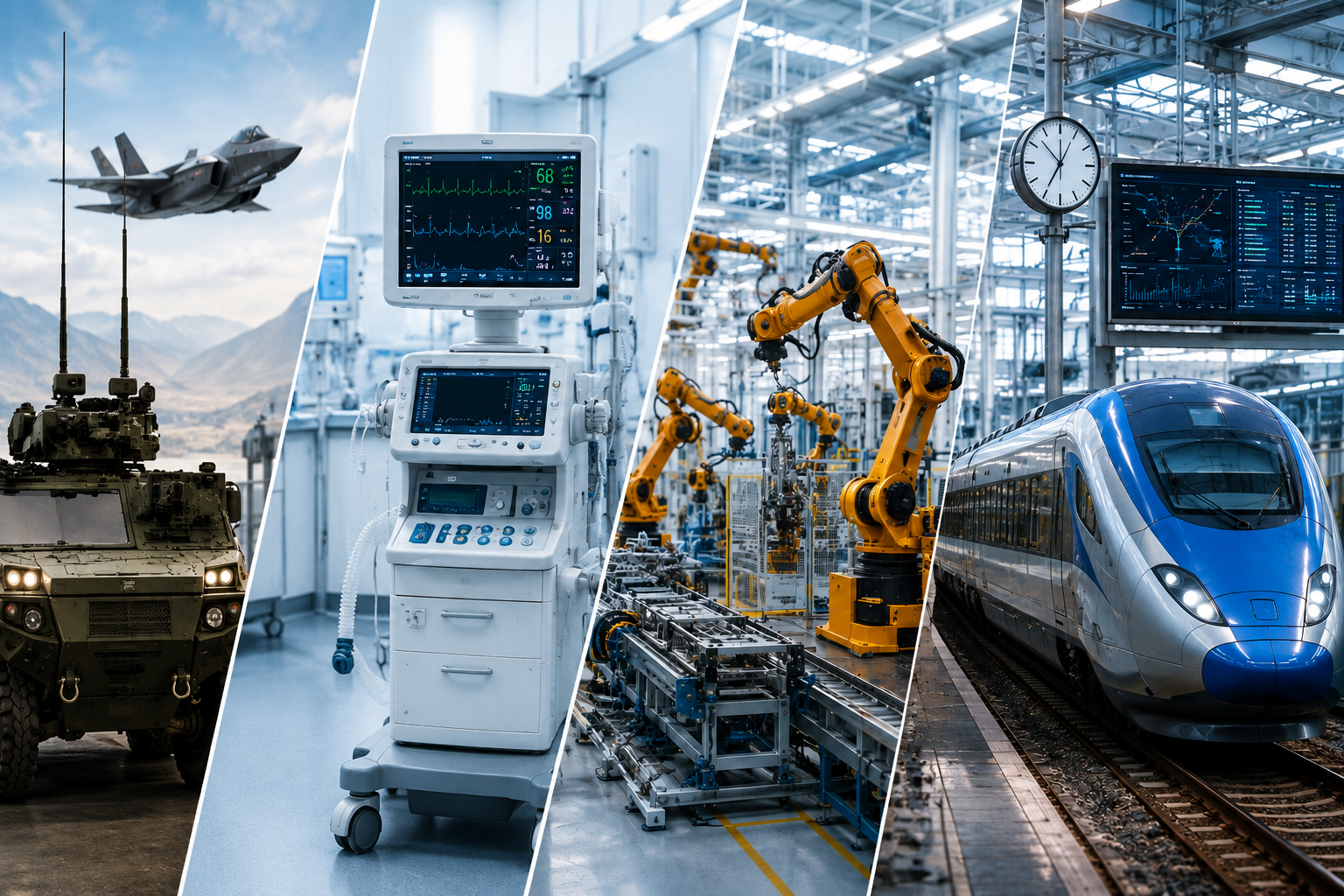
How Does Lifecycle Planning Change Across Embedded Applications?
The engineering principles behind lifecycle planning are broadly applicable, but the operational consequences vary by application.
In manufacturing, the priority is keeping production running while equipment with different service lives coexists. New computing platforms may need to work with existing machines and interfaces, making targeted upgrades preferable to replacing productive equipment unnecessarily.
In medical applications, a computing change can affect a system that has already undergone extensive development and validation. One medical imaging manufacturer faced this when the small-form-factor computers used in its test applications were discontinued. Long-term availability was a primary requirement for the replacement because the company wanted to avoid costly migrations and recertifications. It ultimately adopted Sealevel Systems' embedded computers for legacy updates and future builds while addressing growing I/O requirements.
Defense and aerospace programs face a pronounced mismatch between platform and technology lifecycles. Aircraft, vehicles, and other platforms can remain operational for decades while commercial computing technology turns over much faster. Technology insertion provides a path to newer computing capability while limiting changes to qualified systems and maintaining interoperability with existing equipment.
For utilities and critical infrastructure, access and serviceability are central concerns. Systems may operate at remote sites where maintenance is difficult, making stable configurations and remote diagnostics valuable throughout a long deployment. Energy applications may also require computing platforms flexible enough to address cybersecurity, certification, and environmental requirements across different deployments.
Why is Long-Term Product Availability Not Enough for Lifecycle Continuity?
Product longevity is concerned with how long a platform can be supplied. Lifecycle continuity is concerned with how the deployed system will absorb change when part of the technology stack inevitably moves. A computer may remain available for years while software, components, or operational requirements change around it. Lifecycle continuity depends on whether the system has a practical path through that change.
Engineering for Lifecycle Continuity
At Sealevel, lifecycle continuity is addressed across engineering, manufacturing, and long-term product support. Modular computing architectures provide paths for technology updates while preserving application-specific functionality. Component management helps engineering teams anticipate availability issues and plan transitions before they become urgent.
Configuration control and documentation provide continuity between what was designed, manufactured and operated in the field. U.S.-based engineering and manufacturing keep those disciplines closely connected when a product needs updating or support later in its deployment.
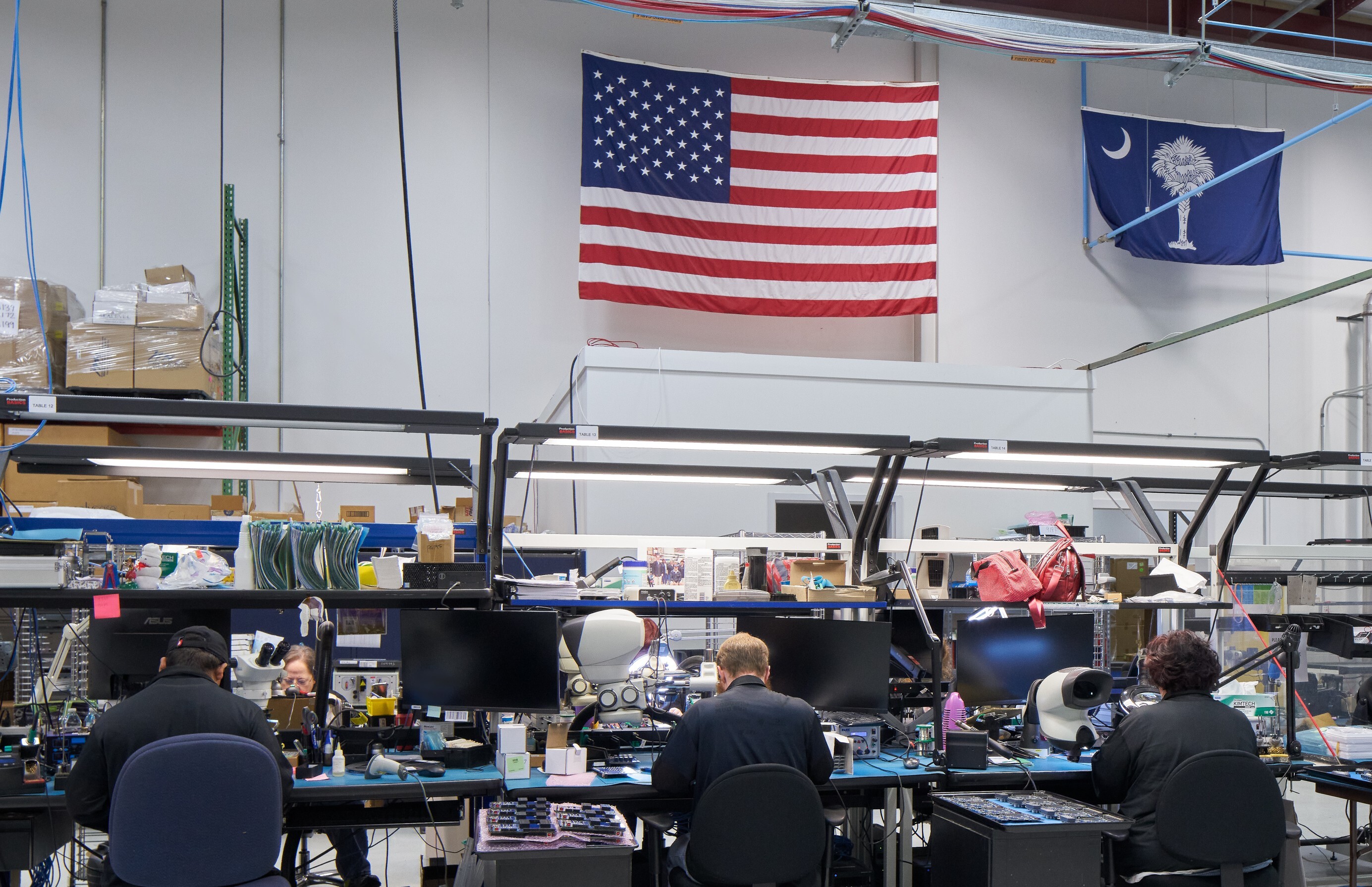
For applications a standard platform can't serve effectively, semi-custom and custom engineering provide other options. Maintaining interfaces specific to the application can allow other portions of the system to advance without forcing the customer to start over.
That engineering relationship continues throughout deployment. As technology and component lifecycles change, ongoing engineering support helps customers evaluate updates within the context of the existing system rather than treating each transition as a new design problem. Lifecycle-focused planning considers that full operational life, from how the platform will be manufactured and maintained to how it will eventually transition to newer technology.
Engineering Embedded Systems with Change in Mind
Years after deployment, when the embedded computer reaches the end of its service life, the replacement moves forward without disrupting production, delaying patient care, or affecting mission readiness because the system was engineered with change in mind.
The interfaces that needed to remain stable were identified. The configuration was documented, component lifecycles were managed, and the architecture provided a practical path to newer technology.
That is the strategic value of embedded system lifecycle planning: greater control over inevitable technology transitions, lower redesign risk during technology refreshes, and more continuity for the operation the system was built to support.
Frequently Asked Questions
What is embedded system lifecycle planning?
Embedded system lifecycle planning is the engineering practice of designing, documenting, and supporting a platform so technology can change throughout a long deployment without forcing unnecessary system-level redesign.
Why is lifecycle planning important for embedded systems?
Embedded systems can remain in service through multiple generations of computing technology. Lifecycle planning helps teams prepare for hardware, software, cybersecurity, and operational changes while maintaining continuity for the operation the system supports.
How can system architecture support long-term lifecycle management?
Lifecycle-oriented architecture separates functions that need to remain stable from technologies expected to change. Clear electrical and software boundaries, along with adequate design margin, can reduce the amount of the system that must be revisited during a technology refresh.
What information should be maintained throughout an embedded system's lifecycle?
A system baseline should document the deployed hardware revision and BOM, firmware, operating system, application versions, interface definitions, qualification records, and approved component substitutions. Maintaining this information helps engineers evaluate future changes without having to reconstruct the deployed configuration.
Is long-term product availability the same as lifecycle continuity?
No. Long-term product availability describes how long a platform can be supplied. Lifecycle continuity addresses how the deployed system will accommodate technology changes over time while preserving the operation it supports.
Categories: