
EtherNet/IP: Understanding the Industrial Networking Protocol Driving Modern Automation
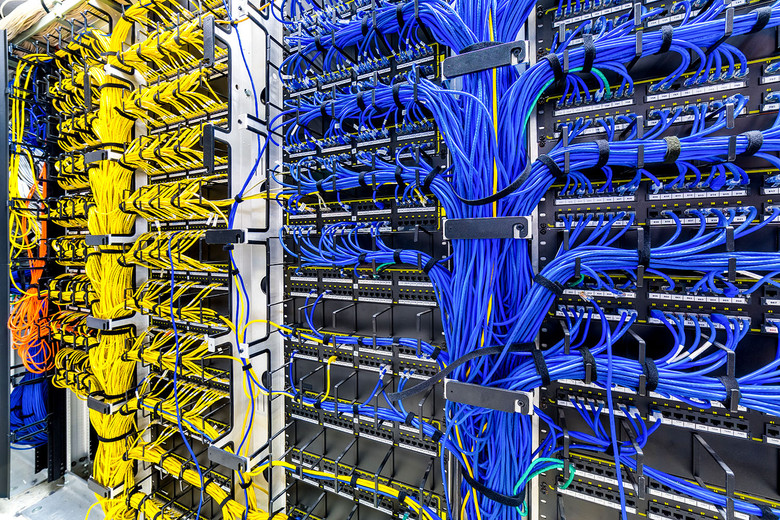
EtherNet/IP is an Industrial Ethernet protocol that uses the Common Industrial Protocol (CIP) to connect controllers, sensors, computers, and I/O devices in industrial automation systems. It supports time-sensitive I/O communication, device configuration, and diagnostics, helping engineers integrate compatible equipment from multiple manufacturers across a common Ethernet network.
Industrial networking is in the middle of a significant transformation. Manufacturers are rapidly modernizing production environments to integrate intelligent devices and to provide greater visibility into operational data. Traditional serial-based fieldbus networks are giving way to Industrial Ethernet. Among the protocols driving this transition, EtherNet/IP has emerged as a leading solution, particularly in North American manufacturing.
Why Industrial Automation Is Moving to Industrial Ethernet
The transition from fieldbus protocols to Industrial Ethernet has been underway for more than a decade. According to the annual Industrial Network Market Shares Report 2026, published by HMS Networks, Industrial Ethernet now accounts for 79% of newly installed industrial network nodes worldwide, compared to approximately 34% when HMS began tracking the market in 2015. Fieldbus technologies account for 14% of new installations, with wireless networks representing the remaining 7%.
This shift reflects the demands placed on modern industrial systems. Traditional fieldbus networks were designed to exchange relatively small amounts of control data between controllers and connected devices. While these technologies remain effective in many established applications, their capabilities can become limiting as automation systems grow more complex.
Industrial Ethernet offers greater bandwidth, supporting faster communication and larger volumes of data between controllers, sensors, computers, and other connected devices. It also makes use of widely adopted networking infrastructure, making it easier to integrate new industrial equipment.
Ethernet also provides flexibility in network architecture. Depending on the application, manufacturers can utilize different network configurations and extend connectivity across facilities and distributed systems.
Ethernet connectivity does not automatically make a network secure, but the wide scale adoption of Industrial Ethernet technologies has led to widely supported, sophisticated security architectures. These capabilities help manufacturers address the growing need to protect operational technology (OT) environments as they become increasingly connected to enterprise IT systems.
EtherNet/IP, PROFINET, and EtherCAT: Industrial Ethernet Protocols
While they do share a common Ethernet foundation, Industrial Ethernet protocols are not interchangeable. Each uses its own communication architecture, application-layer services, and conventions for exchanging data between devices.
The HMS report identifies PROFINET as the leading Industrial Ethernet protocol, representing 30% of newly installed Industrial Ethernet nodes, with EtherNet/IP close behind at 25% and EtherCAT accounting for 20%.
Regional adoption patterns help explain these differences. In North America, EtherNet/IP remains the dominant industrial networking protocol, particularly in automotive and discrete manufacturing applications. This widespread adoption is supported by an established ecosystem of automation equipment manufacturers, system integrators, and industrial control platforms.
This installed base creates a practical advantage. Manufacturers can incorporate new EtherNet/IP-compatible equipment into existing automation environments without necessarily replacing their controllers, network infrastructure, or established control architectures.
What Is EtherNet/IP, and How Does It Work?
EtherNet/IP combines standard Ethernet networking technology with the Common Industrial Protocol (CIP), an application-layer communication protocol specifically designed for industrial automation.
How EtherNet/IP Uses the Common Industrial Protocol (CIP)
EtherNet/IP uses standard Ethernet hardware and TCP/IP networking technologies – the standard Internet protocol suite – while adding Common Industrial Protocol (CIP) services that define how industrial devices communicate, exchange information, and interact with control systems.
CIP is media-independent, meaning it can operate over different networking technologies. It is also object-oriented, organizing device information into standardized objects with defined attributes, services, and behaviors. This structure allows controllers and other network nodes to access device information through consistent communication methods.
Producer-Consumer Communication in EtherNet/IP
One of EtherNet/IP's defining characteristics is its producer-consumer communication model. Rather than requiring a device to send separate copies of the same information to individual destinations, a producer can make data available to multiple consumers. This approach can improve network efficiency, particularly when multiple controllers or monitoring systems need access to the same information.
Implicit vs. Explicit Messaging in EtherNet/IP
EtherNet/IP also supports different types of messaging. Implicit messaging is commonly used for time-sensitive I/O data exchanged between controllers and devices, while explicit messaging supports configuration, diagnostics, and other information requests. Together, these capabilities allow a single network to support both machine control and broader data collection requirements.
How EtherNet/IP Supports Interoperability Between Industrial Devices
One of EtherNet/IP's greatest strengths is its ability to connect equipment from different manufacturers within a common automation environment. Industrial facilities often utilize equipment from multiple OEMs. Historically, integrating these devices could require proprietary communication protocols, specialized gateways, or vendor-specific software. These dependencies increase engineering complexity and can limit flexibility when expanding or maintaining a system.
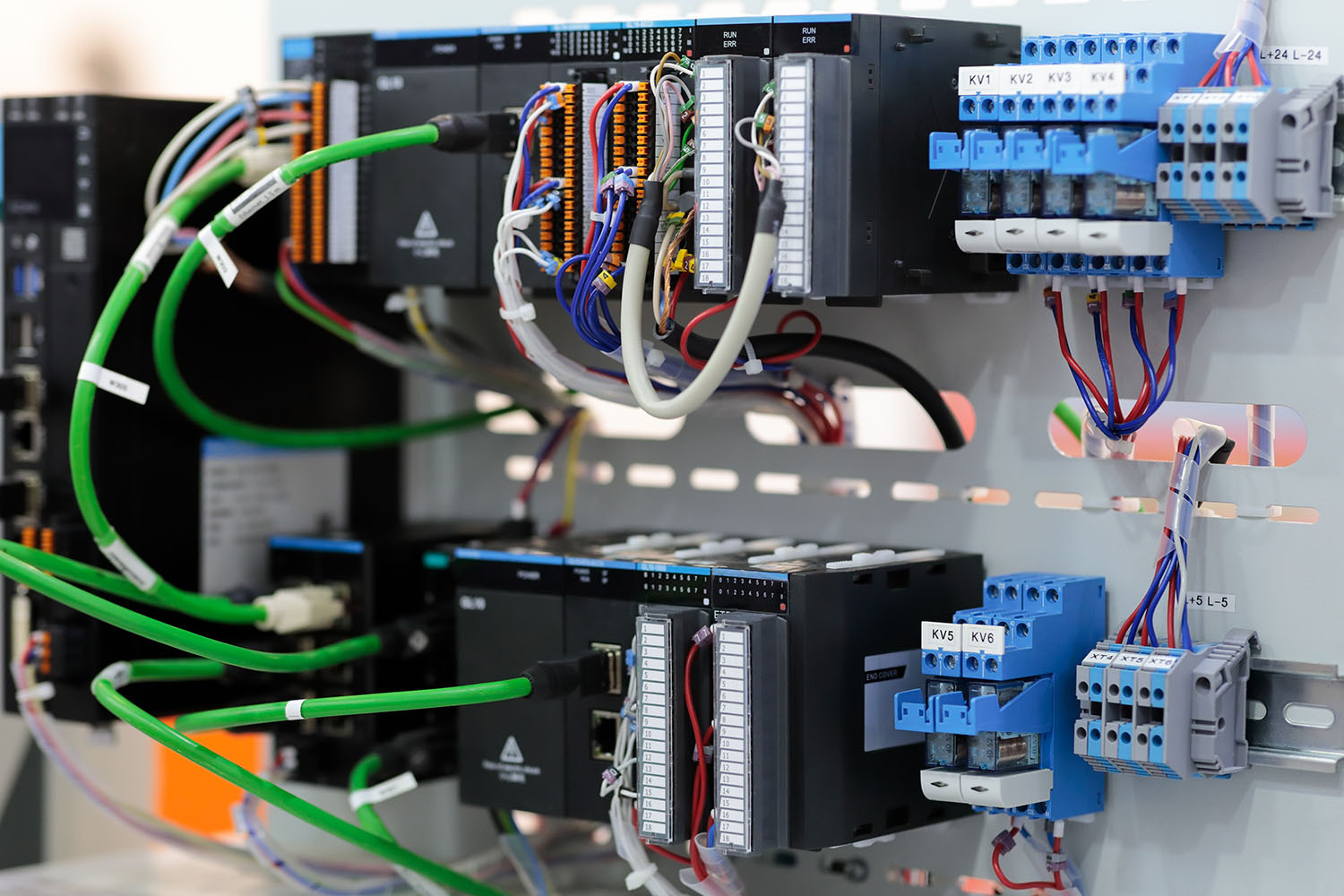
EtherNet/IP addresses this complexity through the use of standardized communication services and device profiles. Equipment that conforms to standard protocol can communicate across a shared network, allowing manufacturers to employ devices based on requirements rather than being restricted to a single vendor's ecosystem.
This interoperability also improves access to machine-level data. Information from various devices can be collected and incorporated into control systems, analytics applications, and enterprise applications.
Connecting Controllers, Computers, and I/O With EtherNet/IP
As industrial automation continues to evolve, reliable communication between controllers, computers, and I/O devices is becoming increasingly important. Industrial Ethernet provides the infrastructure to support the growing complexity, and EtherNet/IP offers a standardized framework for connecting equipment across diverse manufacturing environments.
With the new SeaNET line of devices, Sealevel is expanding its industrial networking device portfolio to address this growing demand. By supporting EtherNet/IP-based applications, Sealevel aims to help engineers and system integrators build flexible, interoperable systems that connect industrial equipment, improve access to machine data, and support the next generation of connected automation.
EtherNet/IP Frequently Asked Questions
What is EtherNet/IP, and what is it used for?
EtherNet/IP is an industrial communication protocol used to connect controllers, sensors, actuators, computers, and other devices within industrial automation systems. It enables devices to exchange real-time data, share operational information, and communicate with control and monitoring systems across a common Ethernet network.
What is the difference between Ethernet and EtherNet/IP?
Ethernet is the underlying networking technology used to transmit data between connected devices. EtherNet/IP builds on standard Ethernet and TCP/IP (the standard Internet protocol suite that underpins the functionality of the internet as a whole) technologies by incorporating the Common Industrial Protocol (CIP), which defines how industrial devices exchange data, communicate commands, and share device information. This application-layer protocol provides the standardized communication framework needed for industrial automation.
How does EtherNet/IP differ from PROFINET and EtherCAT?
EtherNet/IP, PROFINET, and EtherCAT are all Industrial Ethernet protocols, but they use different communication architectures and application-layer protocols. EtherNet/IP uses the Common Industrial Protocol (CIP), while PROFINET and EtherCAT use their own communication frameworks. Each offers different capabilities and integration considerations. EtherNet/IP is prevalent in North America, where it has widespread adoption across industrial automation and manufacturing environments.
What is the Common Industrial Protocol (CIP)?
The Common Industrial Protocol (CIP) is an object-oriented, media-independent communication protocol designed for industrial automation. It organizes device information into standardized objects, attributes, and services, allowing different devices to exchange information through consistent communication methods. CIP is the application-layer foundation of EtherNet/IP and also supports other industrial networking technologies.
Can EtherNet/IP connect devices from different manufacturers?
Yes. One of EtherNet/IP's advantages is interoperability between devices from different OEMs. By following standardized CIP communication services and device profiles, compatible equipment can exchange information across a shared network without relying on proprietary, vendor-specific protocols. This gives manufacturers and system integrators flexibility when selecting equipment, expanding existing systems, and integrating machine data.
What are the benefits of using EtherNet/IP in industrial automation?
EtherNet/IP offers several advantages for industrial automation. These include high-speed data communication, standardized device interoperability, flexible network architecture, and access to machine-level operational data. It also supports both time-sensitive I/O messaging and explicit messaging for device configuration and diagnostics. These capabilities make it well suited for connecting distributed industrial equipment, integrating automation systems, and supporting increasingly data-driven manufacturing environments.
Categories: